
AI Is About People, Too
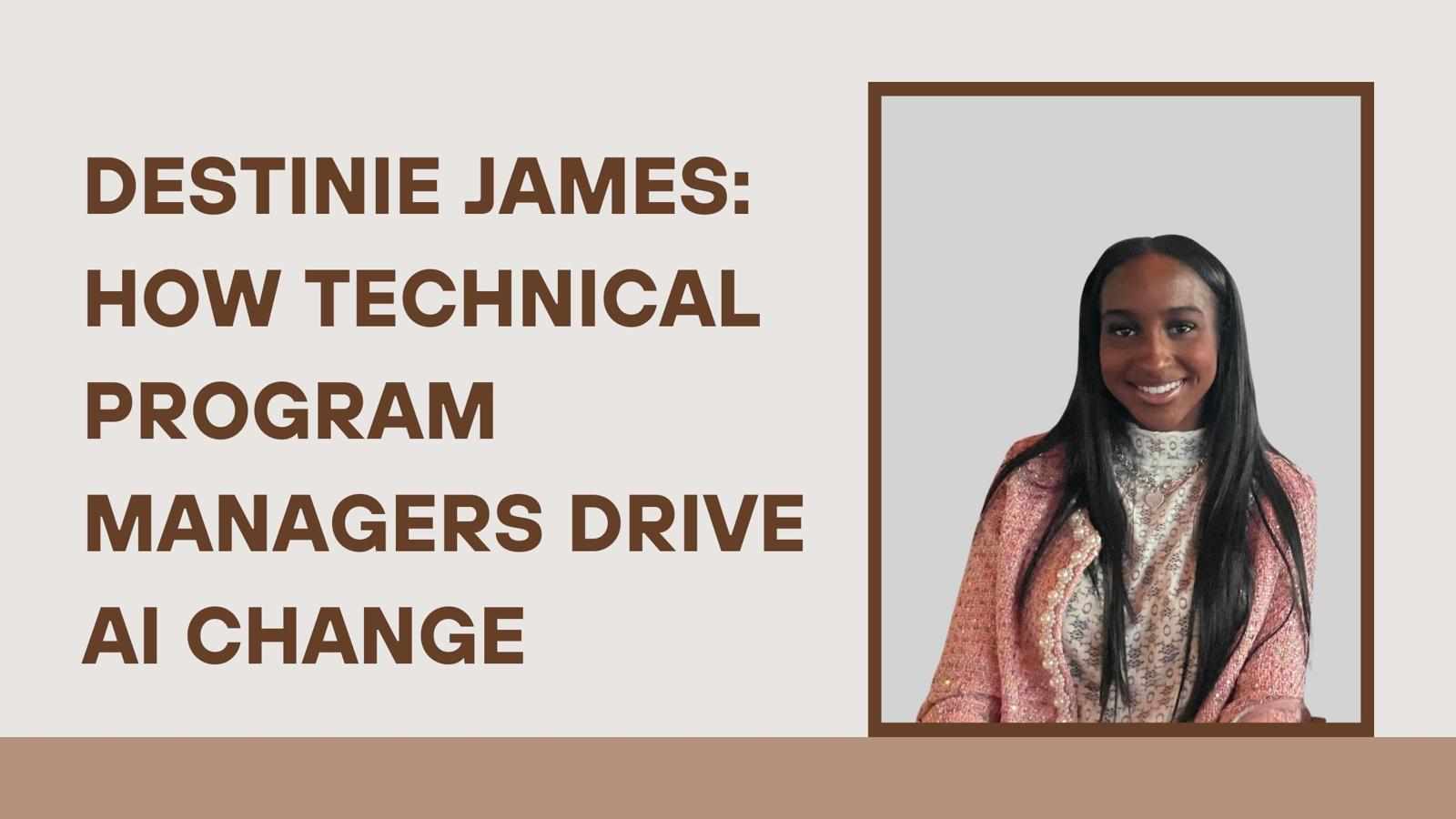
When most people think about artificial intelligence (AI), they focus on robots, automation, and technology. But Destinie James, a researcher and advocate for responsible tech, reminds us that AI is also about humans. She believes AI is shaped by our choices, values, and how we want to use it to improve life.
AI Reflects Human Choices
Key Points:
AI shows the values and decisions of the people who create it.
Biases in AI often come from human mistakes or limited data.
When AI makes errors, it usually points to human systems, not the machine.
We are responsible for how AI behaves.
James explains that AI is created by people, so it reflects our decisions. When an AI system acts unfairly or unpredictably, it’s not just a “technical problem”—it’s a human problem. Understanding this helps us make AI more ethical and accountable.
AI Affects Our Emotions
Key Points:
AI influences our daily routines, relationships, and feelings.
Designers need to think about empathy and emotional impact.
Safety and well-being matter as much as performance.
AI should respect and support human emotions.
AI is no longer just in labs—it interacts with our daily lives. From mental health apps to recommendations for music or movies, AI affects how we feel. James believes developers should design AI with care, keeping people’s emotions and experiences in mind.
Transparency Builds Trust
James says people need to understand how AI works. Clear explanations about decisions and data use help build trust. Transparency is not just technical—it’s about making AI understandable, fair, and accountable to everyone.
AI and the Future of Work
AI often raises fears about job loss. But James sees a brighter side: AI can take over repetitive tasks, letting people focus on creativity and meaningful work. To make this possible, companies and governments need to provide training and support so people can adapt and grow alongside technology.
Diversity Matters in AI
AI systems must reflect different cultures, backgrounds, and experiences. James emphasizes that diverse teams and inclusive data make AI fairer and smarter. Technology works best when it understands the richness of human life.
Conclusion: AI Should Serve Humanity
Destinie James encourages us to see AI as part of our shared human journey. AI is created by humans, affects humans, and should always benefit humans. By focusing on empathy, transparency, and inclusion, we can build AI that improves life and supports our humanity. In her words, understanding AI starts with understanding ourselves.








Write a comment ...