
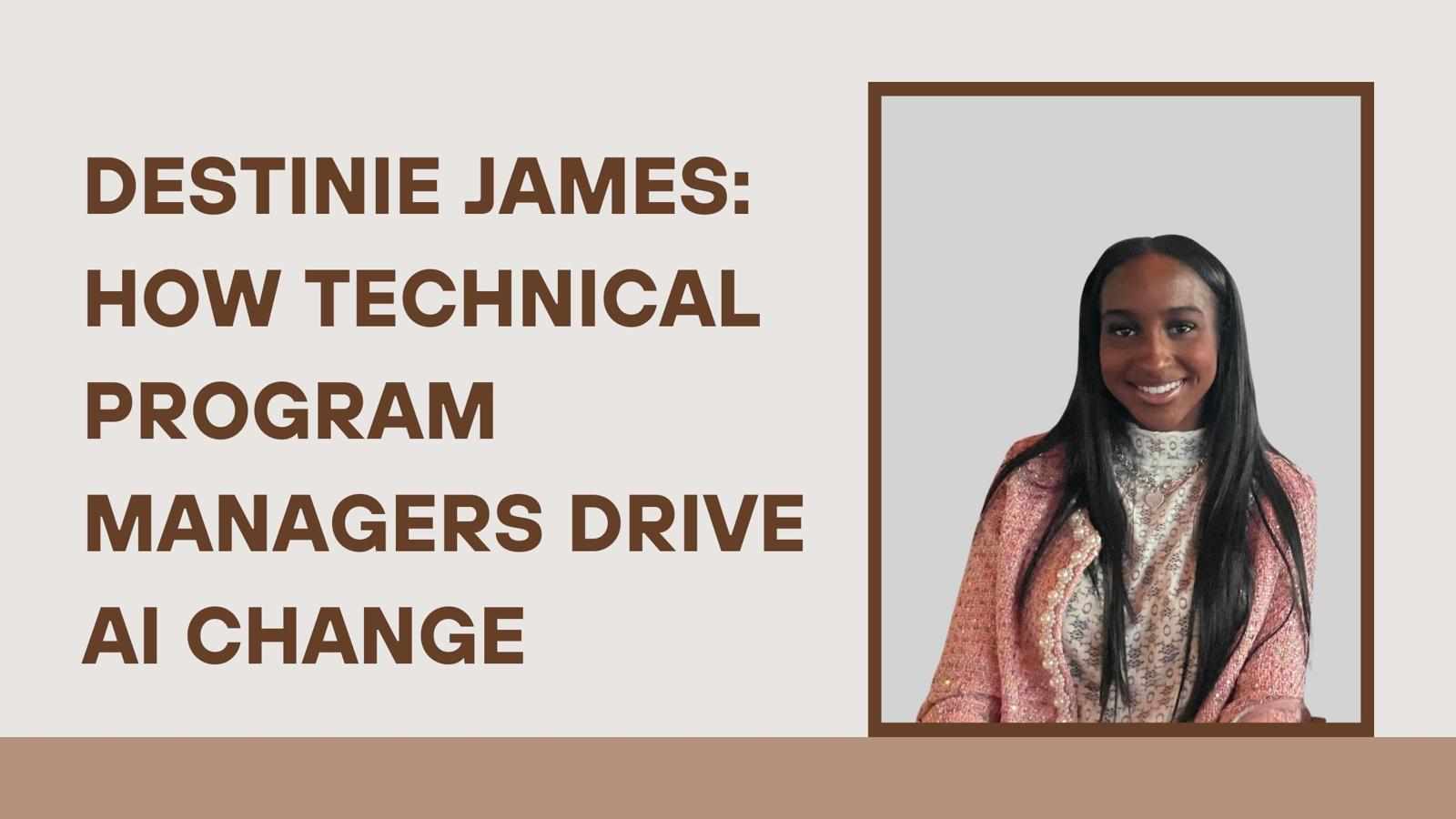
Artificial intelligence is often discussed in terms of innovation and efficiency, but its deeper impact lies in how it can reduce inequality across the world. Destinie James believes AI has the potential to create fairer systems by improving access to education, healthcare, and economic opportunities—especially for communities that have long been underserved. When used responsibly, AI can become a meaningful tool for global equality rather than a source of division.
Expanding Access to Education Through AI
Education remains one of the strongest foundations for equality, yet millions of people still lack quality learning resources. According to Destinie James, AI can help close this gap by making education more accessible, flexible, and personalized for learners everywhere.
Key ways AI supports equal education include:
Personalized learning systems that adapt lessons to individual learning speeds and abilities
AI-powered translation tools that remove language barriers in global learning
Digital classrooms that reach students in remote or underserved regions
Skill-based learning platforms that focus on real-world, employable knowledge
In many parts of the world, access to trained educators is limited. AI-driven platforms can supplement traditional teaching by offering structured lessons, practice tools, and instant feedback. This allows students to continue learning even where educational infrastructure is weak. By reducing dependence on location and income, AI helps create more balanced educational opportunities worldwide.
Improving Healthcare Outcomes Worldwide
Healthcare inequality remains a major global concern, particularly in areas with limited medical professionals and facilities. Destinie James highlights how AI can support early diagnosis, patient monitoring, and healthcare planning, especially in regions where access to doctors is scarce.
AI systems can analyze large volumes of medical data to detect diseases earlier and recommend treatments more accurately. Mobile-based AI health tools allow people to receive basic medical guidance without needing to travel long distances. These technologies help reduce gaps in healthcare access and improve overall health outcomes across populations.
Creating Fair Economic Opportunities
Economic inequality often stems from limited access to jobs, training, and financial systems. Destinie James explains that AI can help expand economic opportunities by connecting people to work, resources, and skills beyond their local environment.
AI-powered job platforms can match individuals with remote work opportunities, allowing talent from developing regions to participate in the global workforce. AI also helps small businesses analyze customer needs, manage operations, and compete in wider markets. When people gain access to these tools, they gain a stronger chance to achieve financial independence.
Addressing Bias and Promoting Fair Systems
A critical part of building equality with AI is addressing bias. Destinie James emphasizes that while AI can reflect human bias, it can also help identify and reduce unfair practices when developed responsibly.
Key ways AI can support fairness include:
Identifying bias in hiring, lending, and decision-making systems
Improving transparency in automated processes
Supporting data-driven policy changes to reduce inequality
Encouraging ethical AI development through diverse data and teams
When AI systems are monitored and trained with fairness in mind, they can help organizations recognize patterns of inequality that might otherwise go unnoticed. This allows for more inclusive and accountable systems across industries.
The Path Forward for Responsible AI
Destinie James believes the future of AI and global equality depends on thoughtful design, ethical standards, and inclusive collaboration. Governments, technology developers, and communities must work together to ensure AI benefits everyone, not just a few.
With responsible use, AI can help build a world where access to education, healthcare, and economic opportunity is not limited by geography or background. When guided by human values, AI becomes a powerful force for creating a more equal global society.




Write a comment ...